Howwefarm
We work together


Growing food like forests.
Syntropic agroforestry mimics natural succession — taking land from barren to fertile through densely planted, layered living systems.
Our farm journey
- TAMALU - MT KENYA - PILOT FARM2019
- LIMURU - BRACKENHURST - FLAGSHIP FARM2022
- NAIVASHA - INTERPLANT - PARTNER OUTGROWER2025
- SHIMBA HILLS - NEXT FARM10 ha




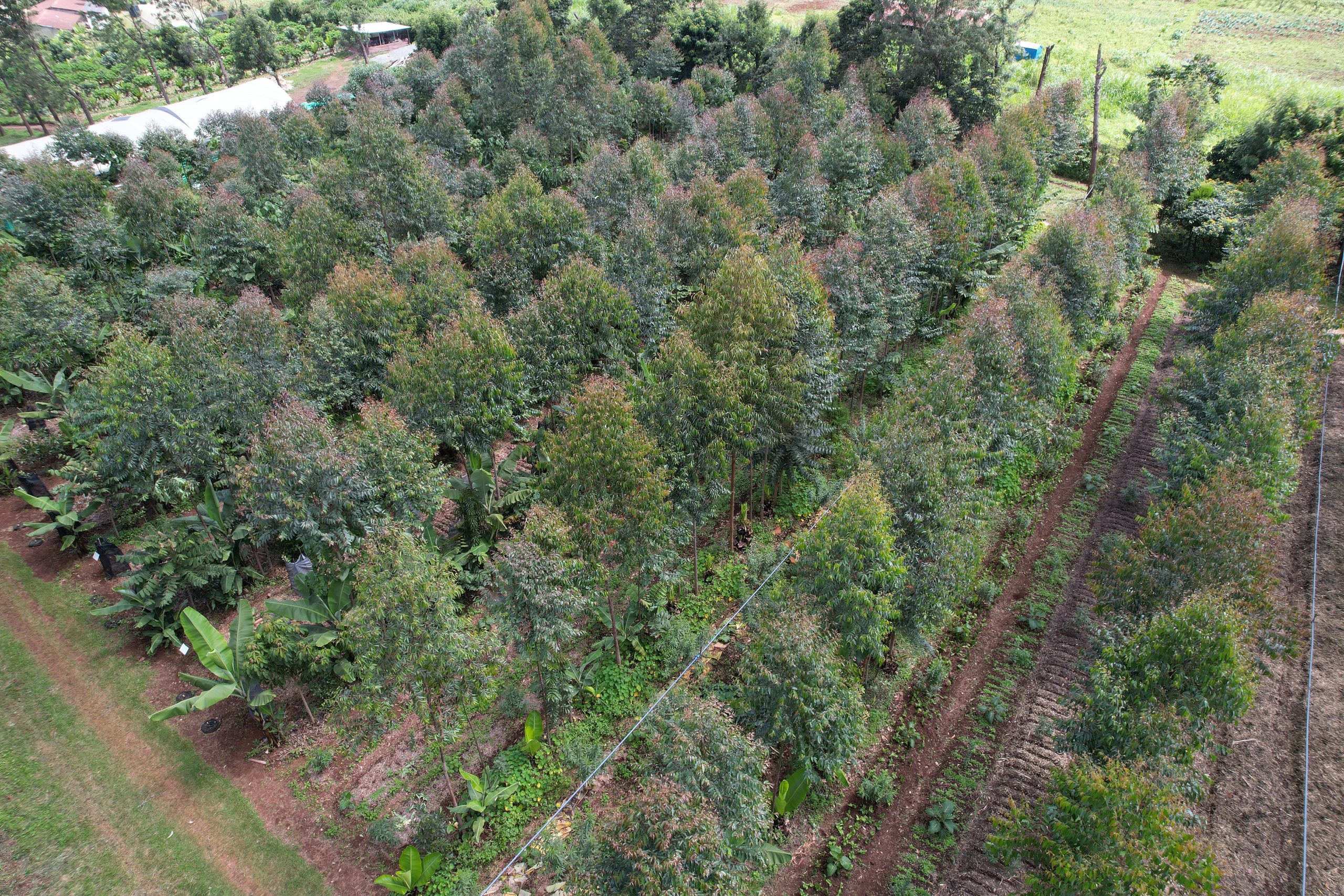
 Pilot Farm (2019)TAMALUWhere the journey began: 0.24 hectares at Maritati on Mount Kenya, established May 2019 — the proving ground for the syntropic model that became ForestFoods.
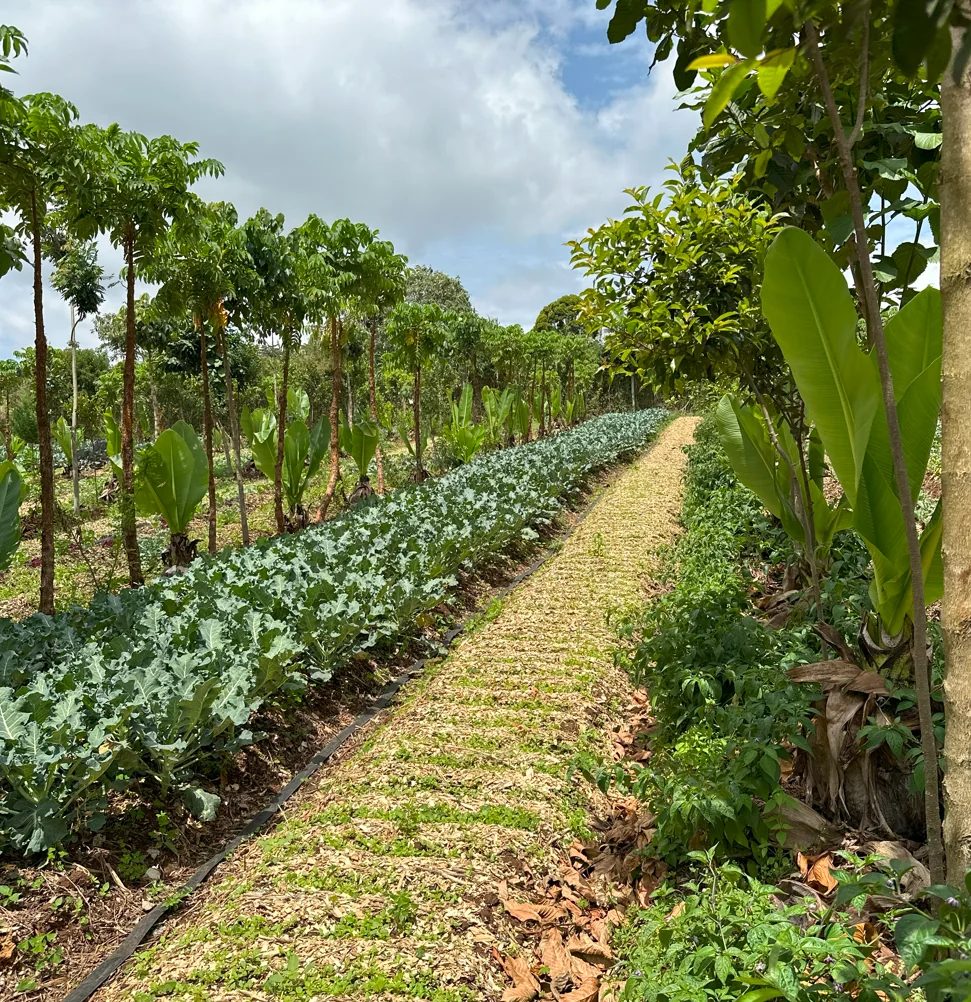
 Flagship Farm (2022)LIMURUHeadquarters at Brackenhurst: 2.19 highland hectares, established April 2022 on a former football pitch. Research, education, daily harvests.
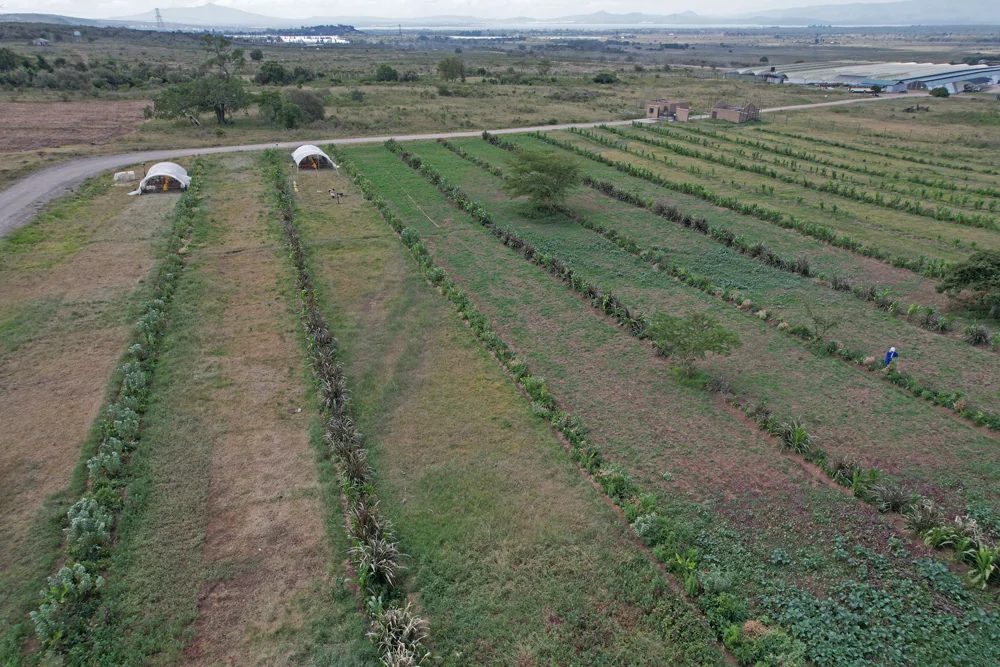 Partner Outgrower (2025)INTERPLANTTwo hectares of regenerative silvopasture at Naivasha — Dorper sheep and free-ranging laying hens among herbs, fruits, vegetables and essential-oil botanicals, supplying pasture-raised eggs through the ForestFoods network.
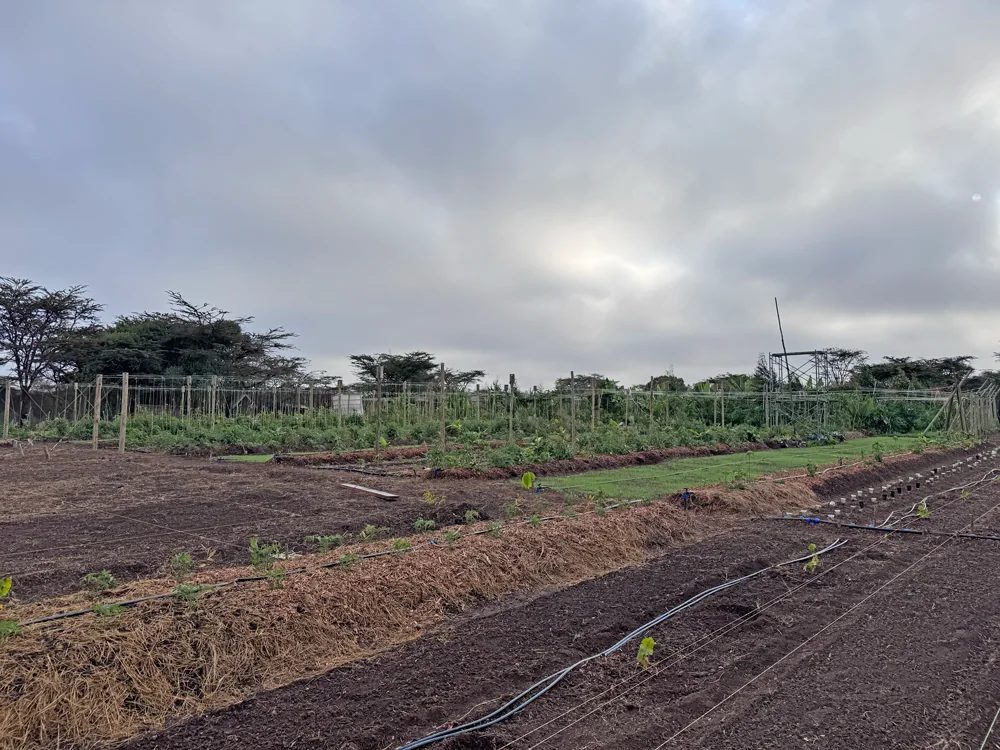 Partner OutgrowerNYANIHigh-altitude syntropic systems on Mount Kenya’s slopes at Naro Moru: premium tomatoes, cucumbers, melons, coffee, passion fruit and temperate fruit varieties.
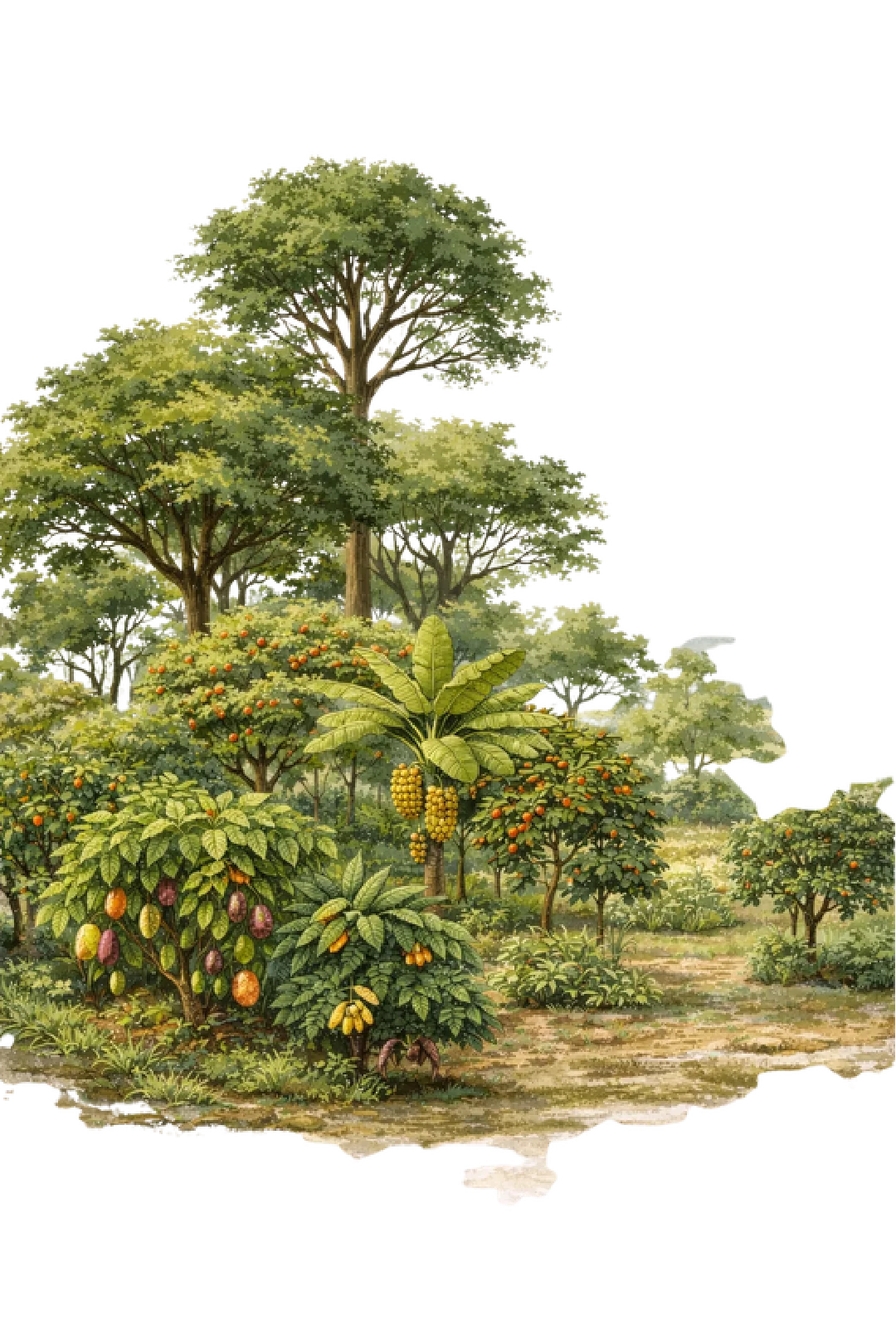
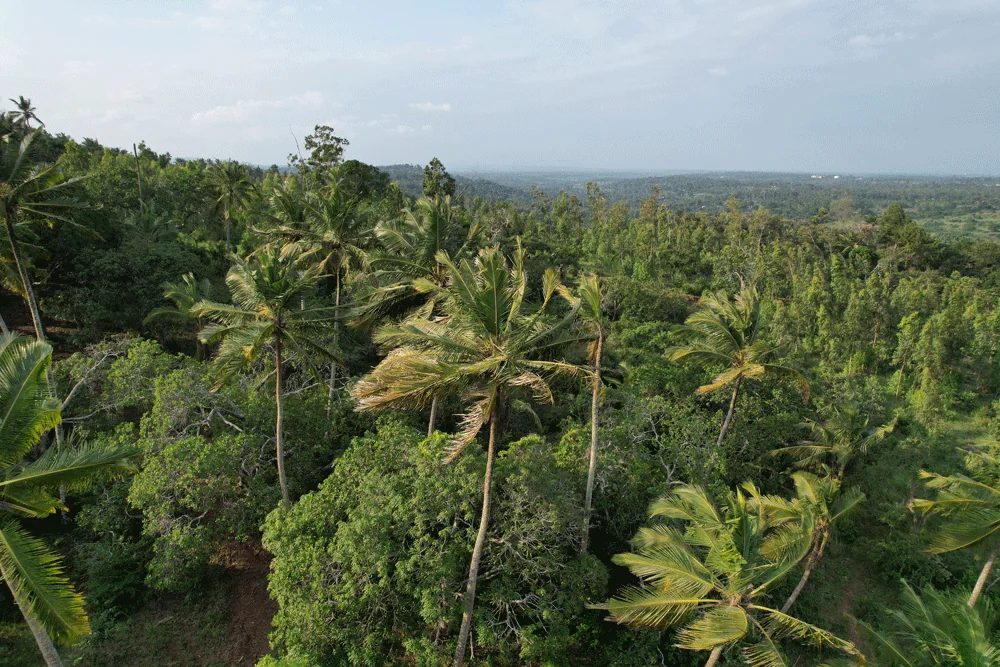 Next FarmSHIMBA HILLSTen coastal hectares, coming soon: cacao, vanilla, black pepper, cinnamon, cardamom, tropical fruits, timber.
THESYSTEM
Syntropic agroforestry
Syntropic agroforestry is farming modelled on how forests build themselves. Instead of clearing land and feeding a single crop, we plant many species at once — trees, food crops, fodder and ground cover — organised by the height they reach and the light they need. The system is based on decades of Brazilian practice pioneered by Ernst Götsch, adapted by our team for East African conditions.
Natural succession
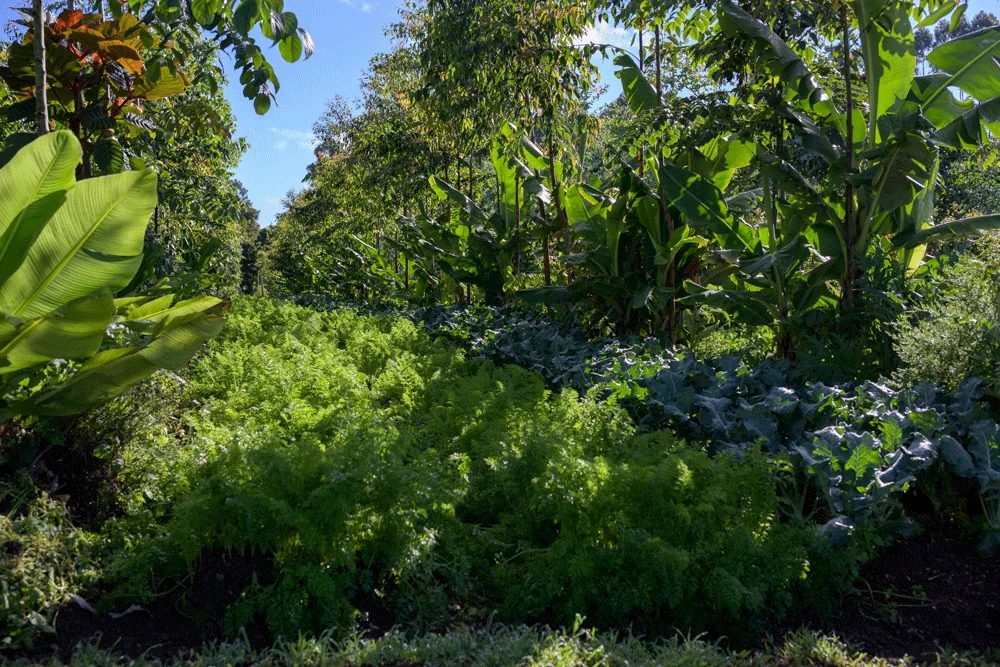
We plant pioneer, secondary and climax species together, compressing decades of forest succession into farming seasons.
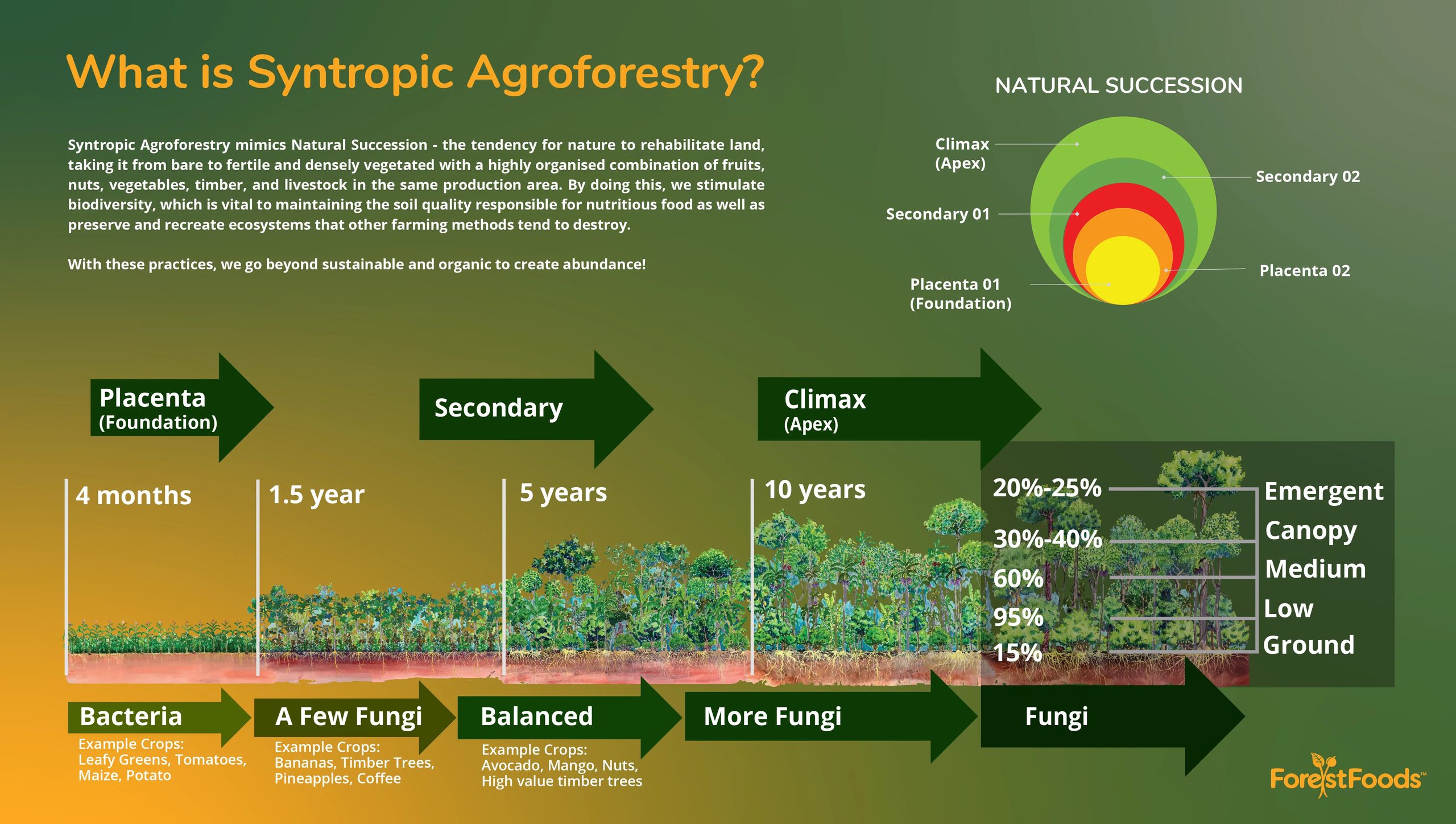
Inside the system: crops, trees, fodder and livestock in layers.
Each stratum earns its place — timber above, fruit below, vegetables at ground level, roots beneath.
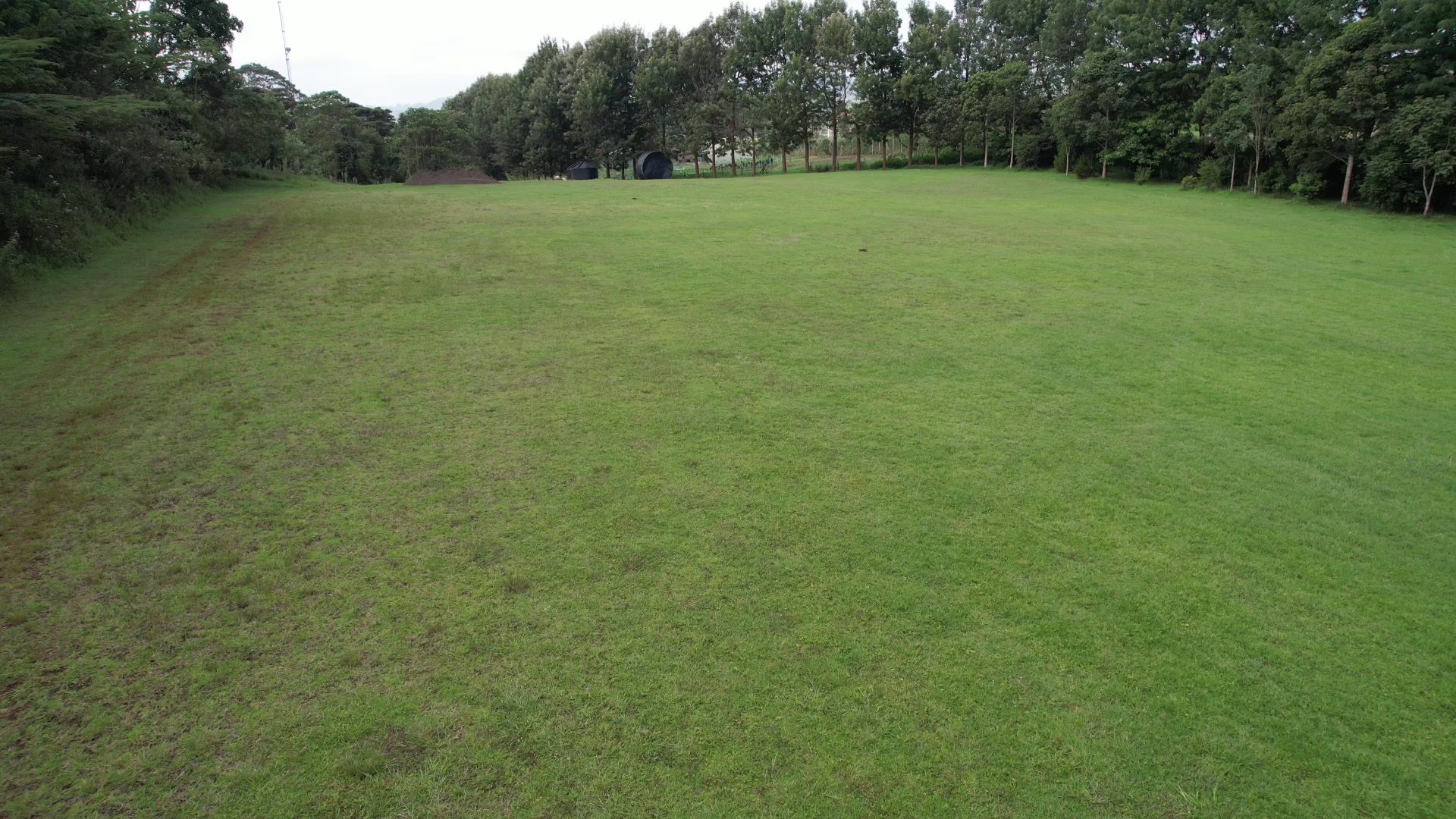
Fig 1The football pitch before planting 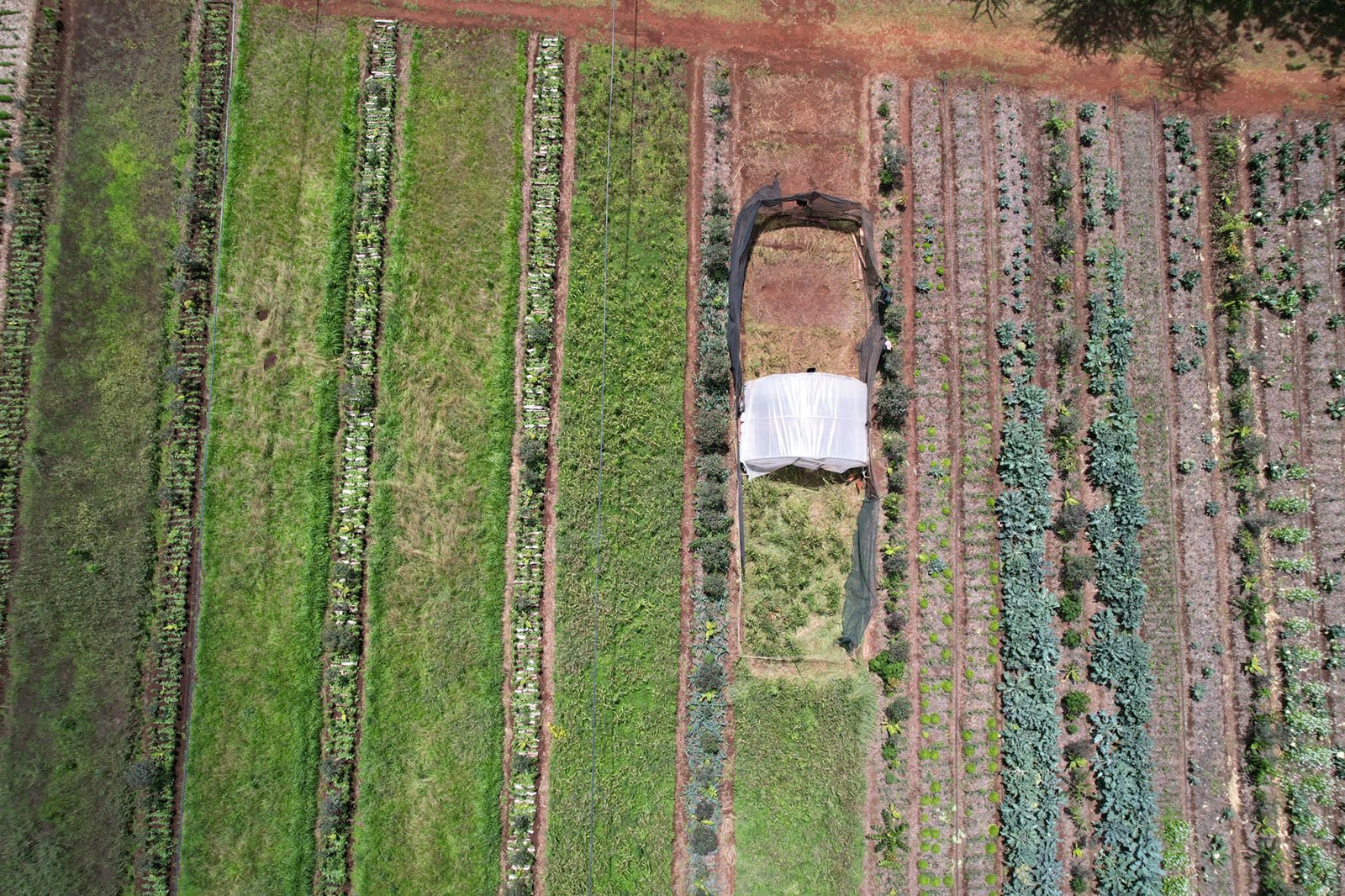
Fig 2First syntropic beds, 2022 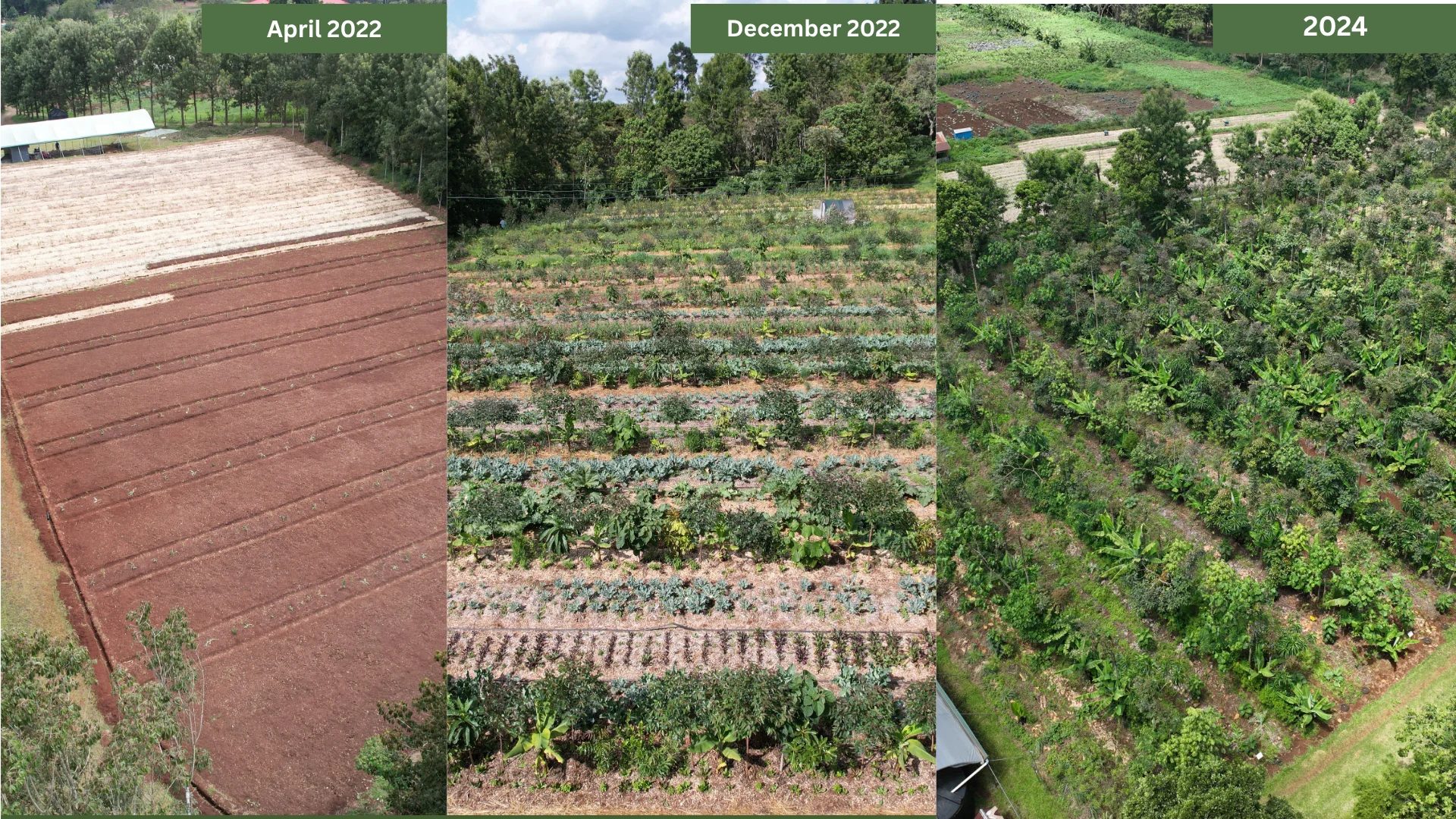
Fig 3April 2022 to 2024, same ground 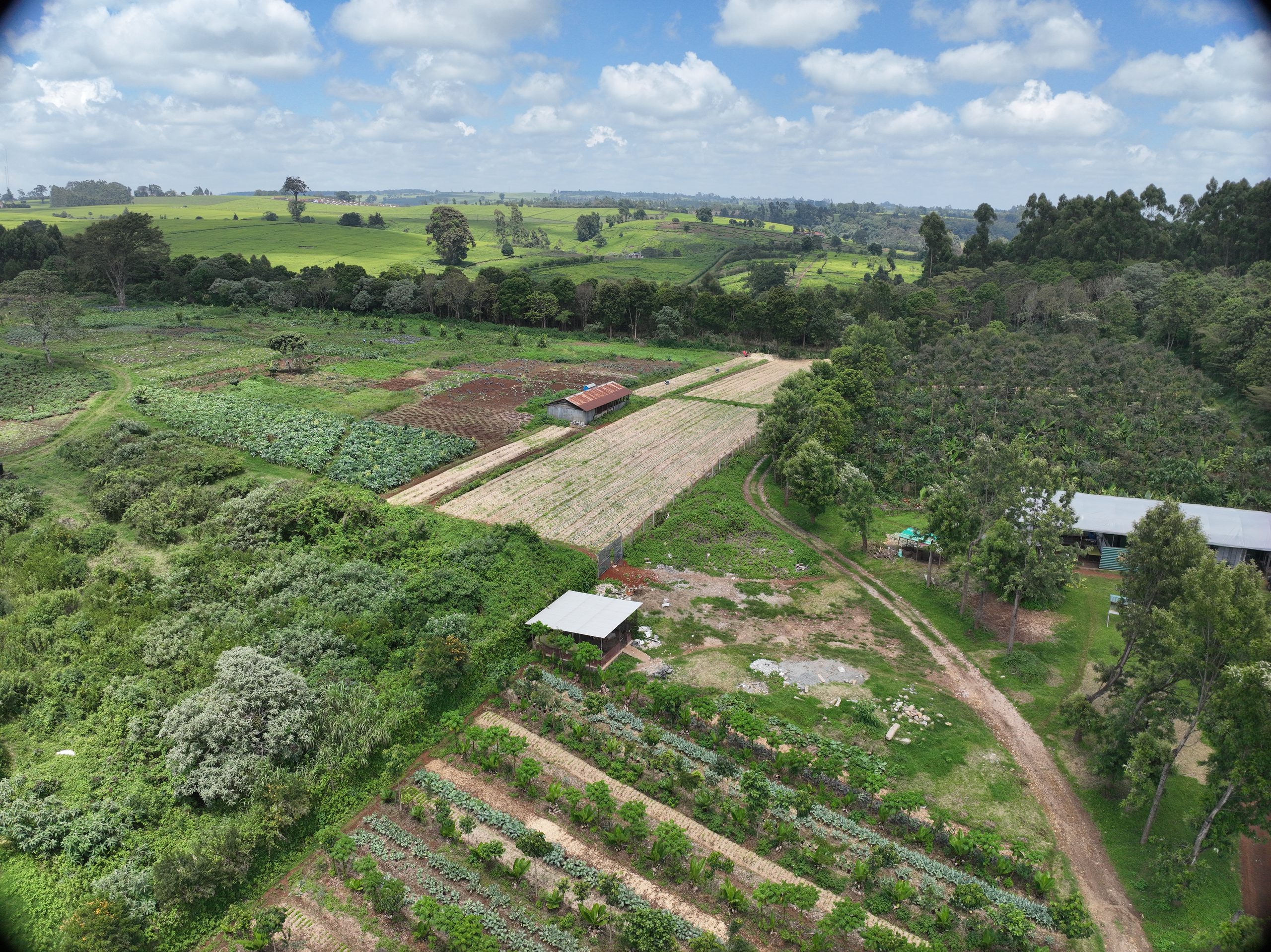
Fig 4The producing farm today
From football pitch to food forest
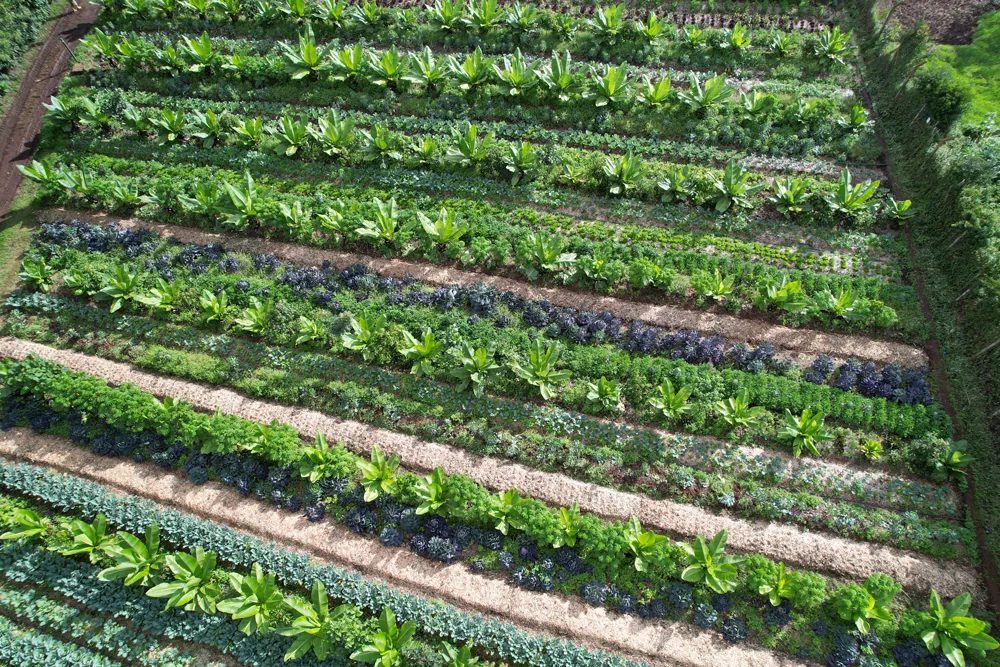
In April 2022 the Limuru site was a compacted, barren football pitch. We began the way a forest would: pioneer species first, then heavy mulching, dense planting and constant pruning to pump organic matter into the ground. Within seasons, microbial activity rose, water retention improved and biodiversity returned — insects to canopy. Today the same ground carries an orchard of raspberries, blackberries, strawberries, pears and plums, and the Upanuzi fields of broccoli, cauliflower, sweet potatoes, French beans, carrots, pak choi and courgettes. The farm has roughly tripled its footprint since.
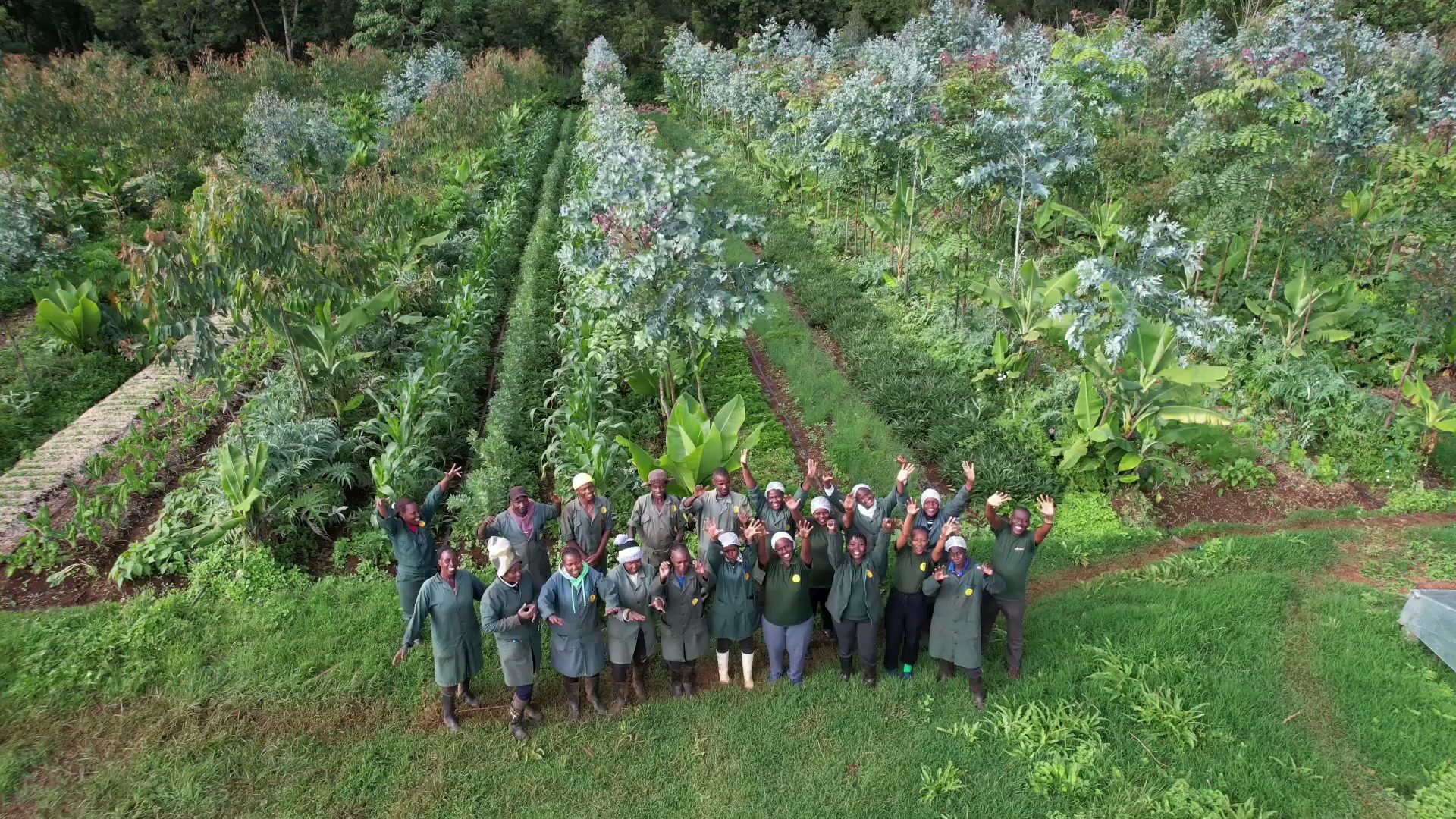
Fig 1The ForestFoods team in the rows they planted
OUR ROOTS
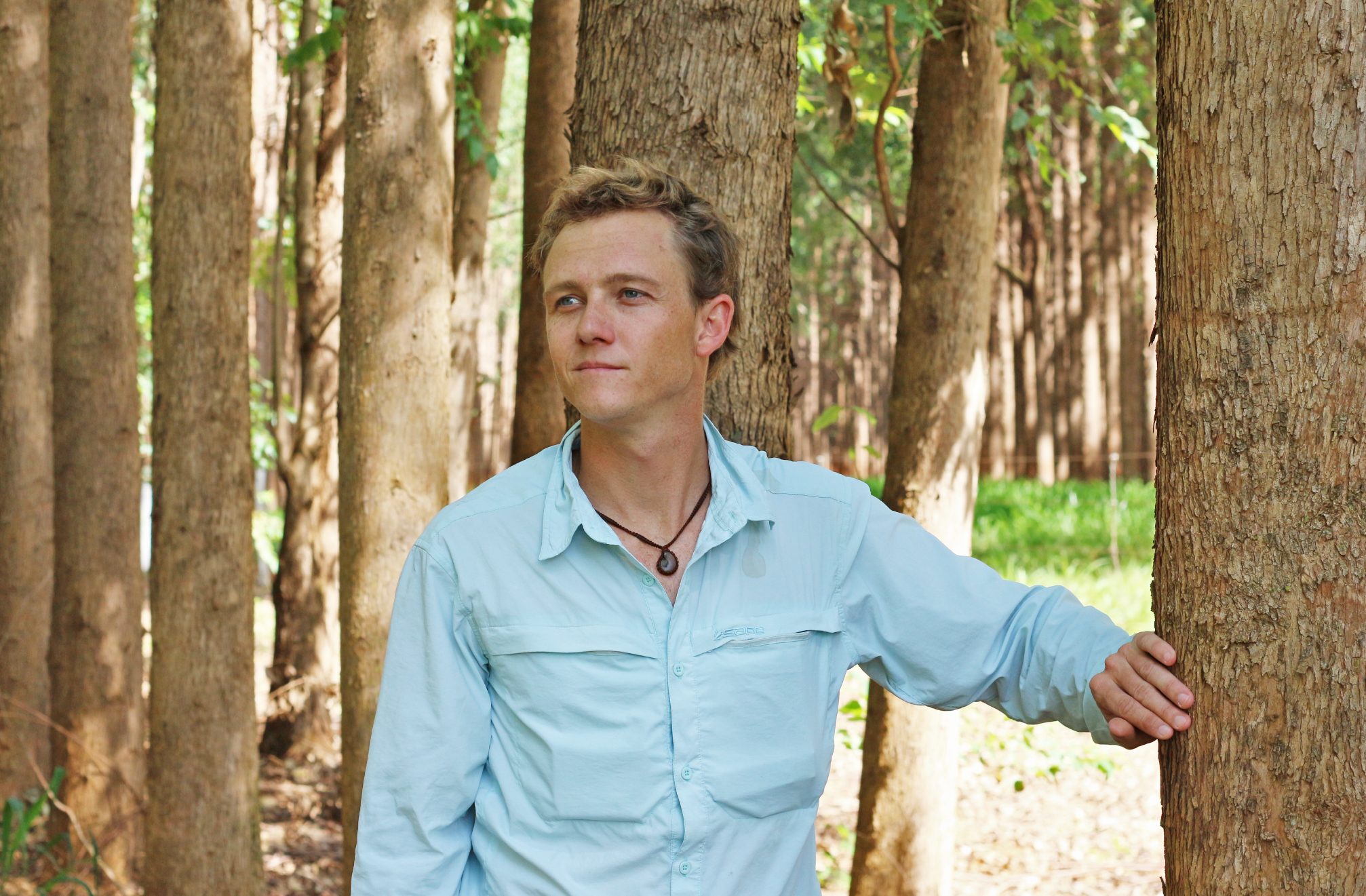
Syntropic agroforestry has been practised in Brazil for decades with remarkable results, developed through the work of Swiss researcher Ernst Götsch. ForestFoods brings that lineage to East Africa: our CEO Sven Verwiel — Kenyan-raised, with more than ten years in regenerative agriculture — leads a team blending Kenyan, Dutch, Brazilian, British and American experience, farming within Brackenhurst’s indigenous forest campus at Limuru.
MEASUREDREGENERATION
Living ground
Everything we sell begins as soil biology. Compost from our own post-harvest waste, permanent mulch and layered roots feed an underground economy of microbes and fungi — and we publish the numbers, because regenerative agriculture should be measurable.
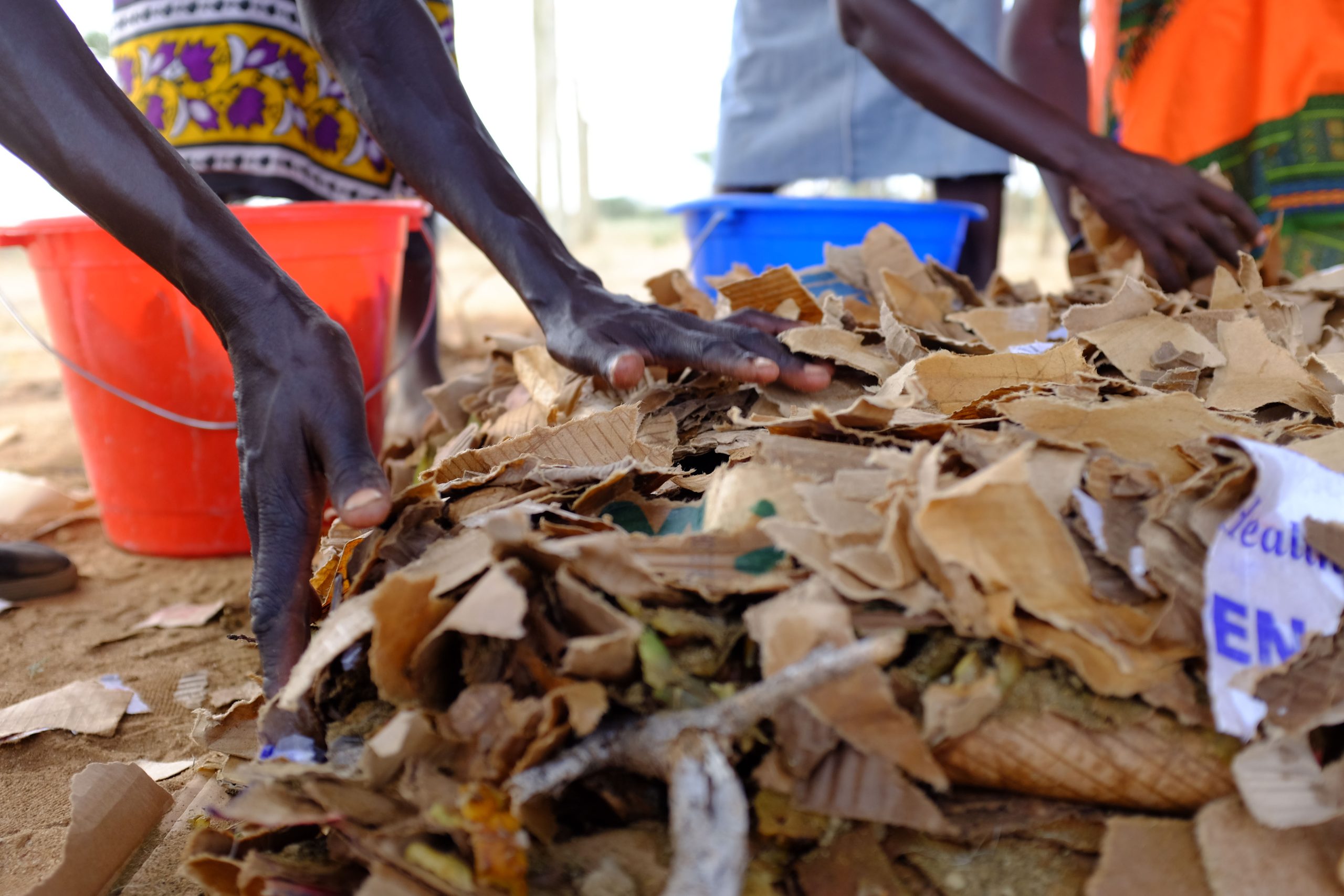
Measured impact, from spore counts upward:
independent soil testing at ICRAF’s laboratory tracks the life returning beneath our farms.
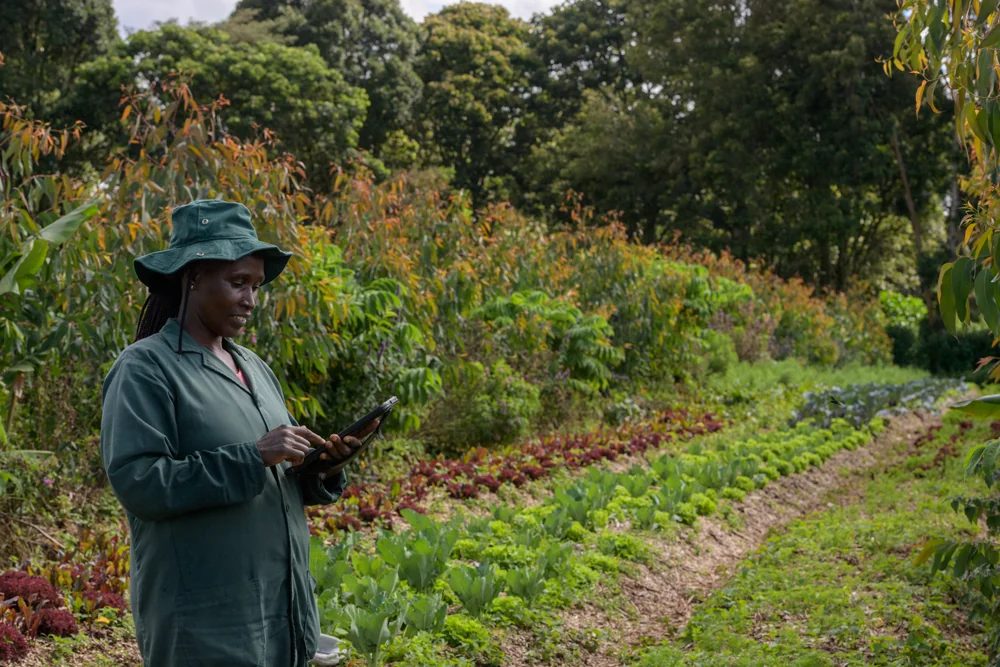
Our scorecard.
Sixty tons of food a year. 25,000+ trees under management. A quarter less irrigation water per hectare. Soil organic matter climbing 0.75% per hectare, per year.
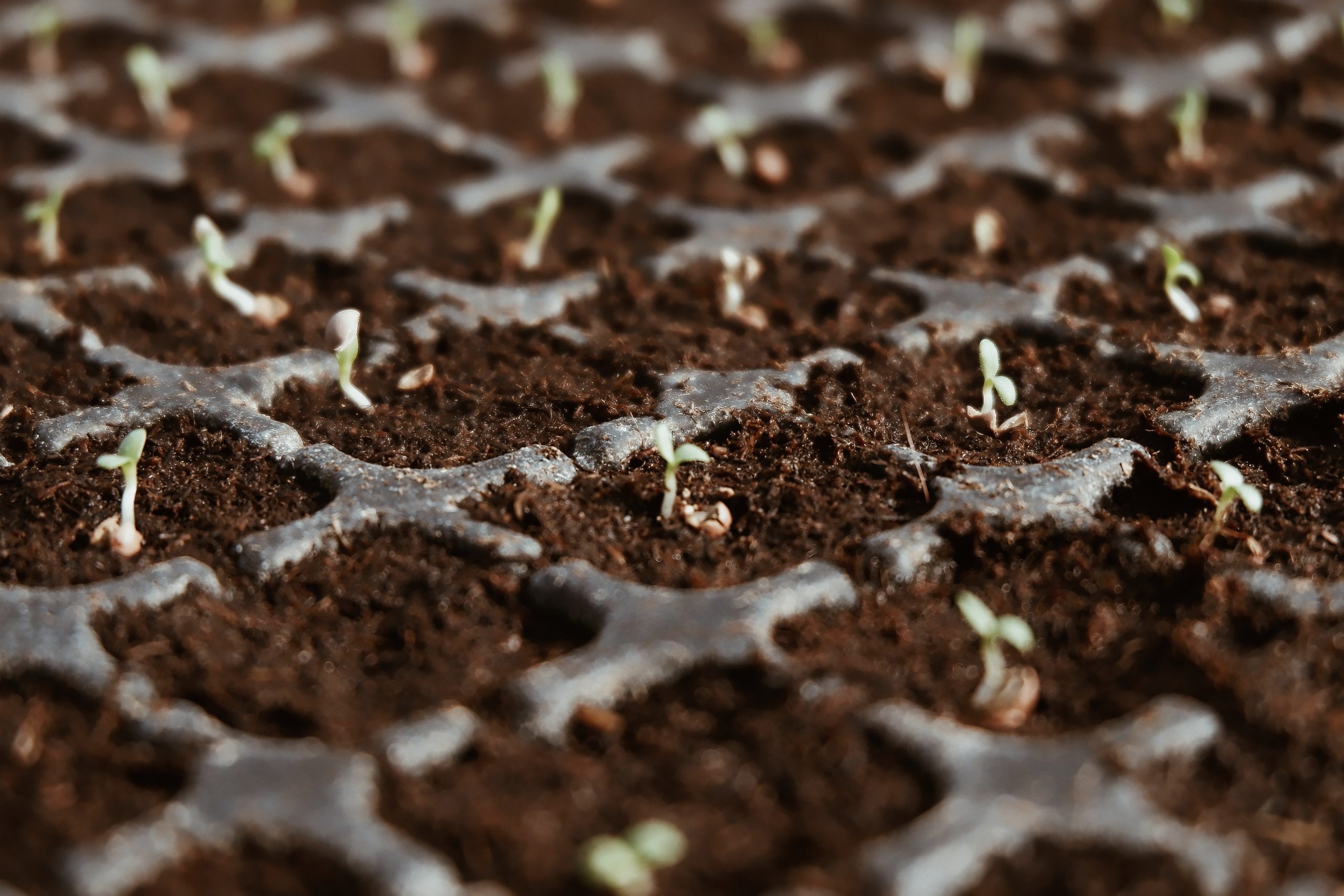
Fig 1Propagation trays in the nursery 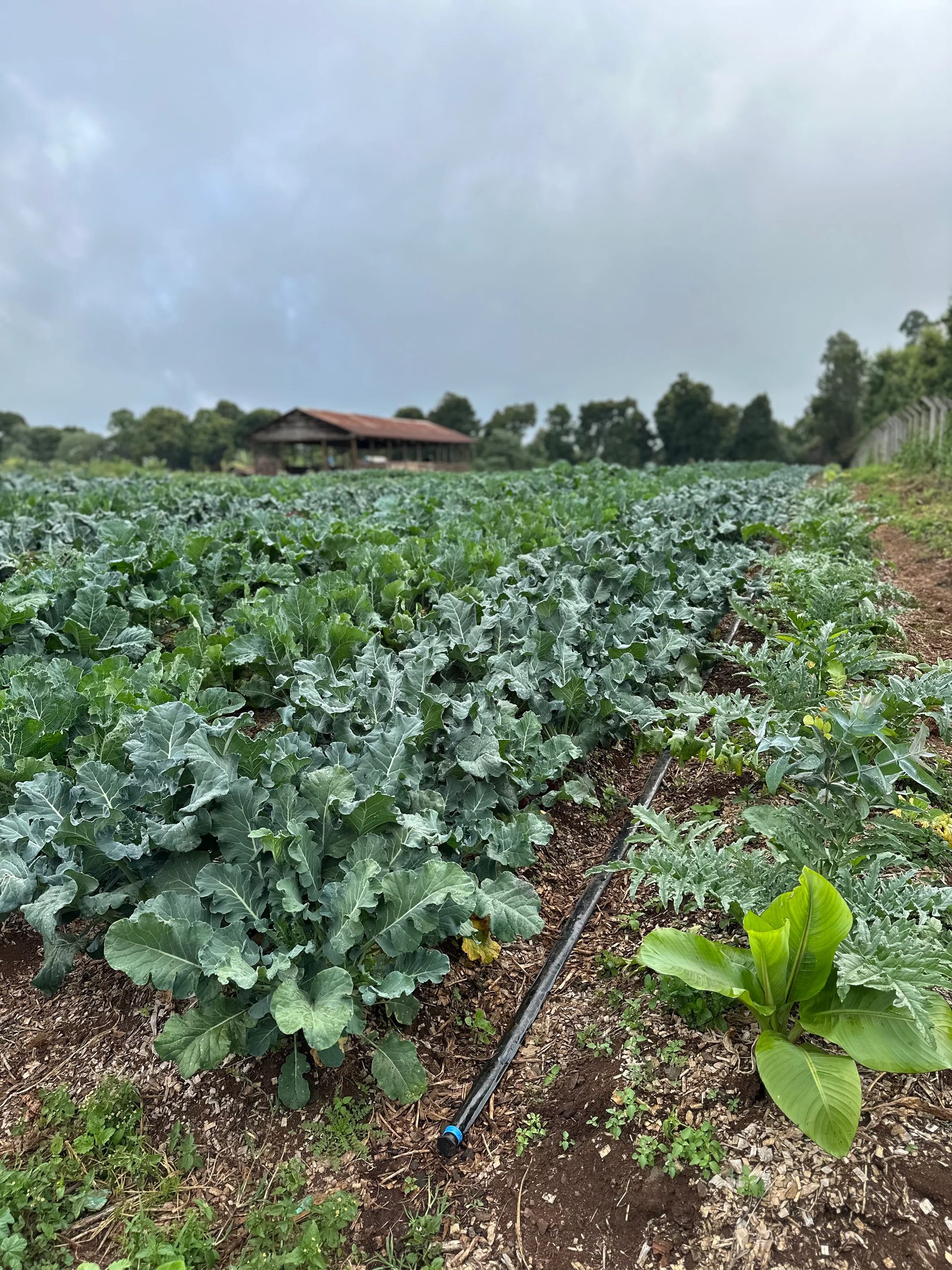
Fig 2Brassicas in the Upanuzi fields 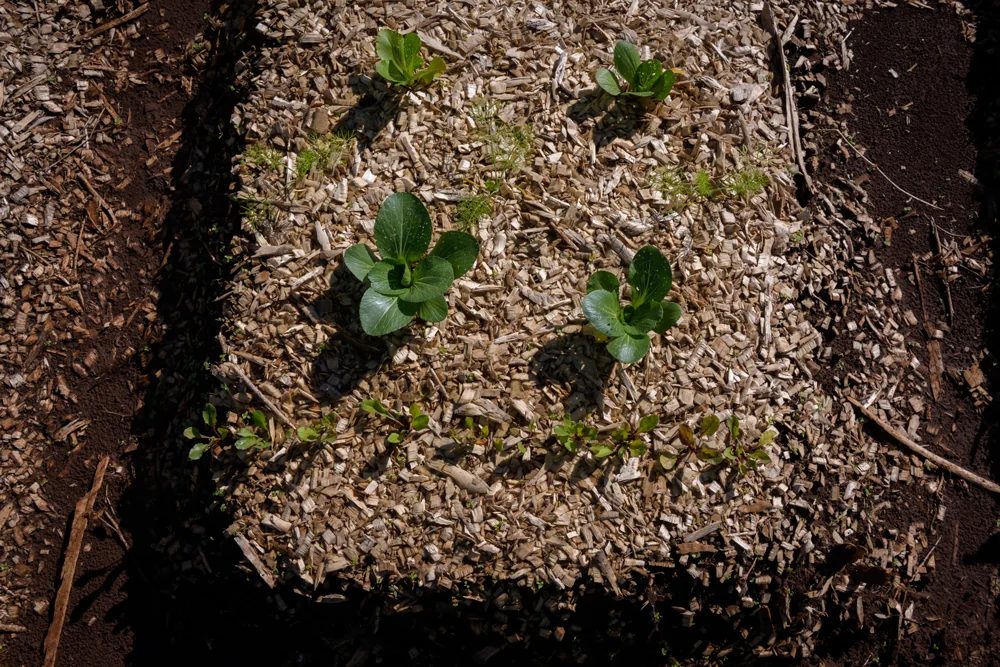
Fig 3New life through the mulch
WHAT WE MEASURE
Our published impact metrics track what regeneration actually changes: 60 tons of annual output; 25,000+ trees actively managed; 25% less irrigation water per hectare per annum; soil organic matter rising 0.75% per hectare per annum; a 92% B Act Agroecology Score; 75% female and youth employment; 3,500+ people trained to date; and 100 tonnes of post-harvest waste converted into 40 tonnes of biocomplete compost — so that 100% of the harvest is utilised, 75% fresh and 25% value-added.
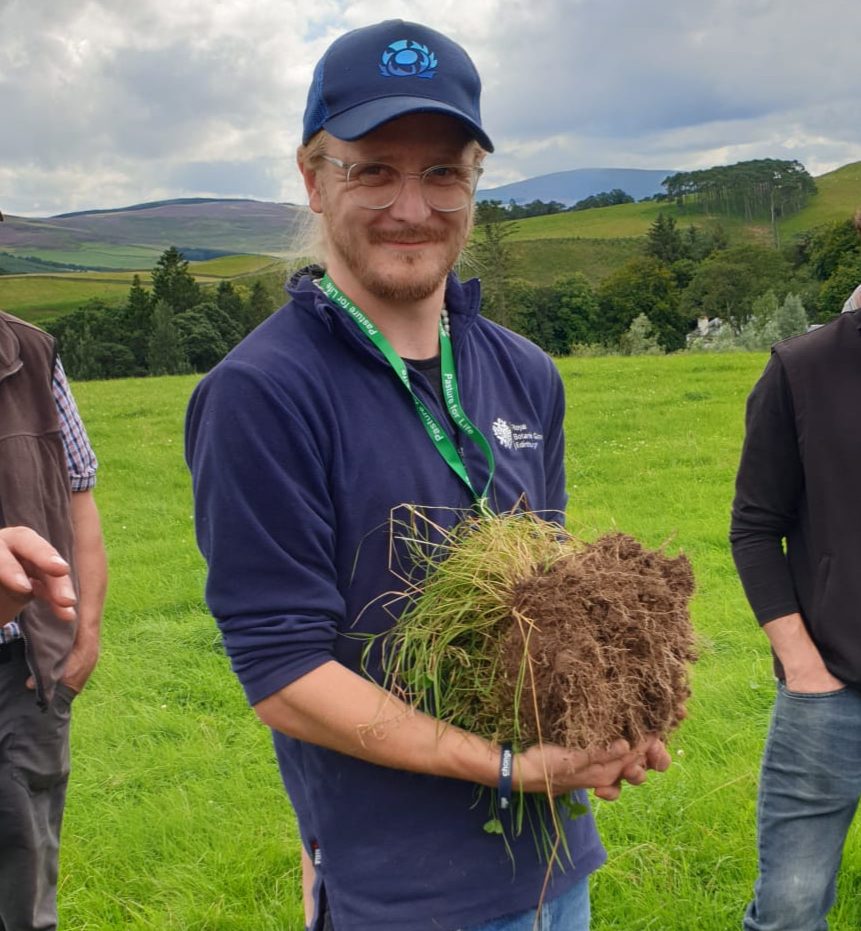
Fig 1Living soil, held up on a course
SOIL TESTED AT ICRAF LABORATORY
ForestFoods’ soil biology is analysed by the ICRAF Laboratory in Nairobi, including AMF spore counts from the Limuru site. CIFOR-ICRAF community facilitators have also trained at the farm — independent scientific eyes on the ground we claim to be rebuilding.
LEARNWITHUS
Courses, tours, experiences
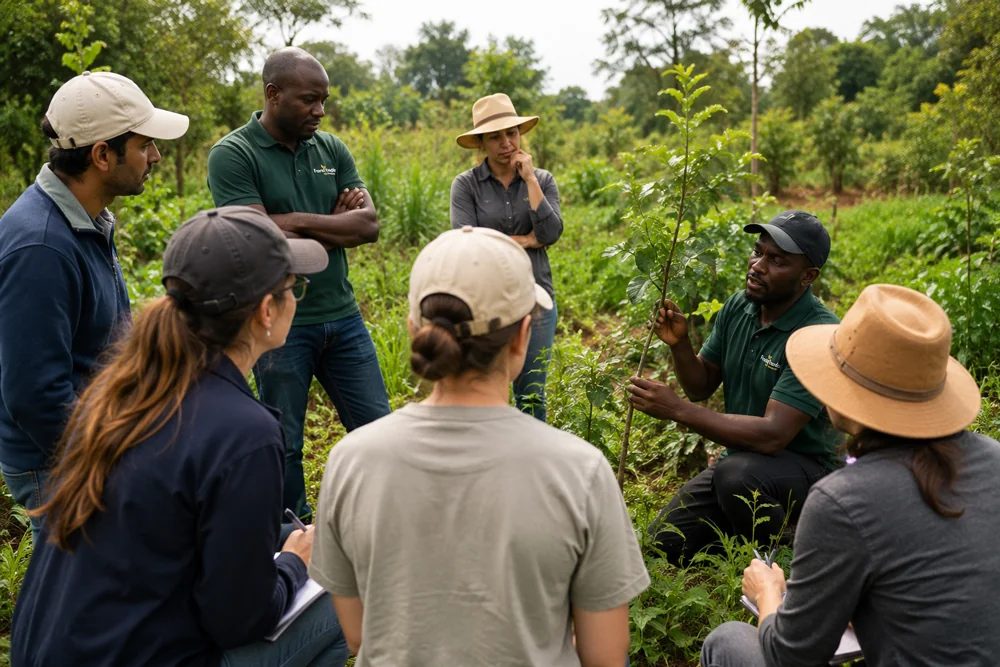
The fastest way to understand syntropic farming is to stand inside one. We host practical courses, guided tours and seasonal experiences at the Limuru farm — for farmers and agribusiness teams building regenerative operations, and for anyone who wants to see where their food comes from.
Learn to farm this way
Our courses combine ecological theory with field practice: soil health, biodiversity, succession-based planting, composting, farm design and regenerative food production — taught where the results are visible in every row.
Visit us.
Walk the farm on a guided tour, stay for a long-table lunch, or join a retreat, yoga session or botanical workshop.
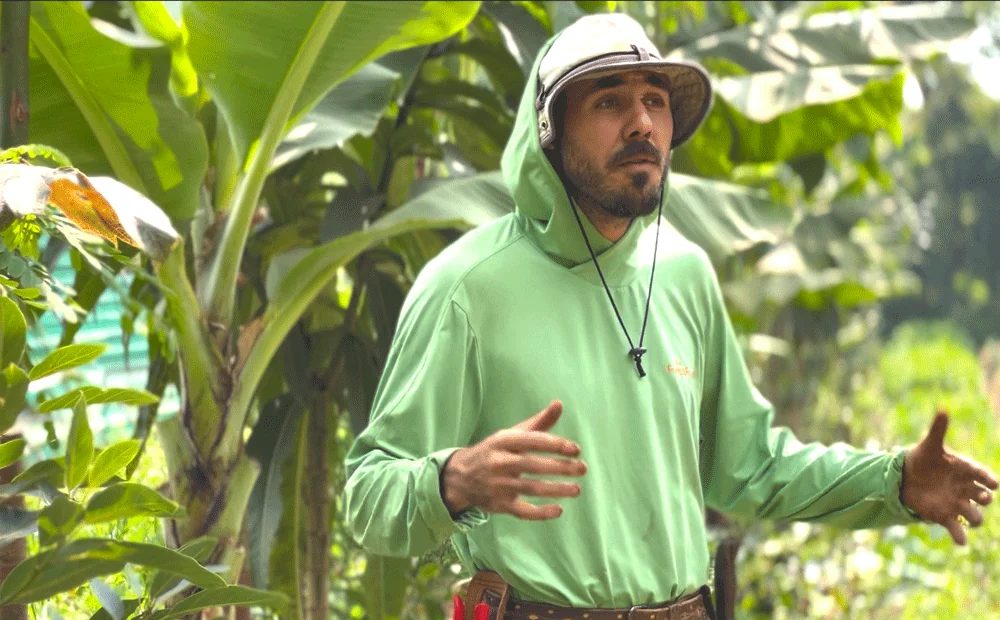
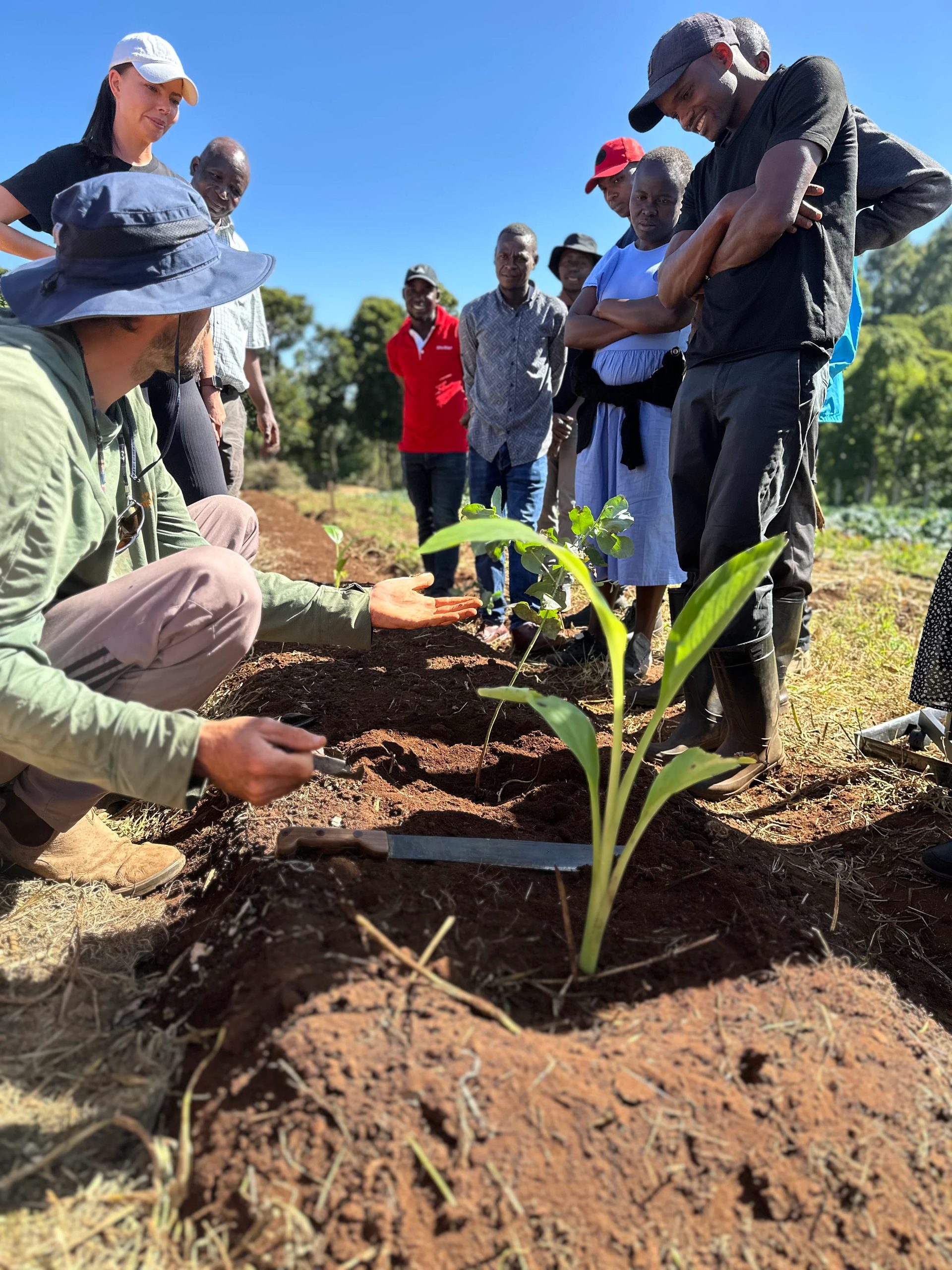
Fig 1Chief Agroforester Guilherme Sobral teaching 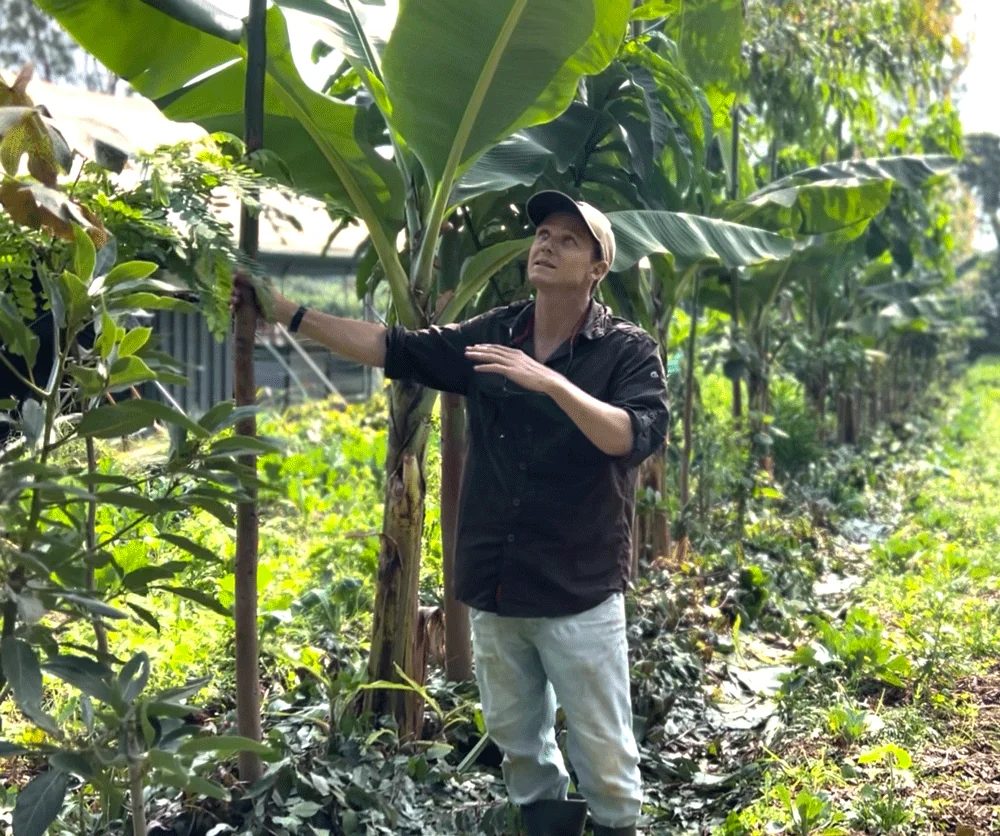
Fig 2CEO Sven Verwiel in the banana strata 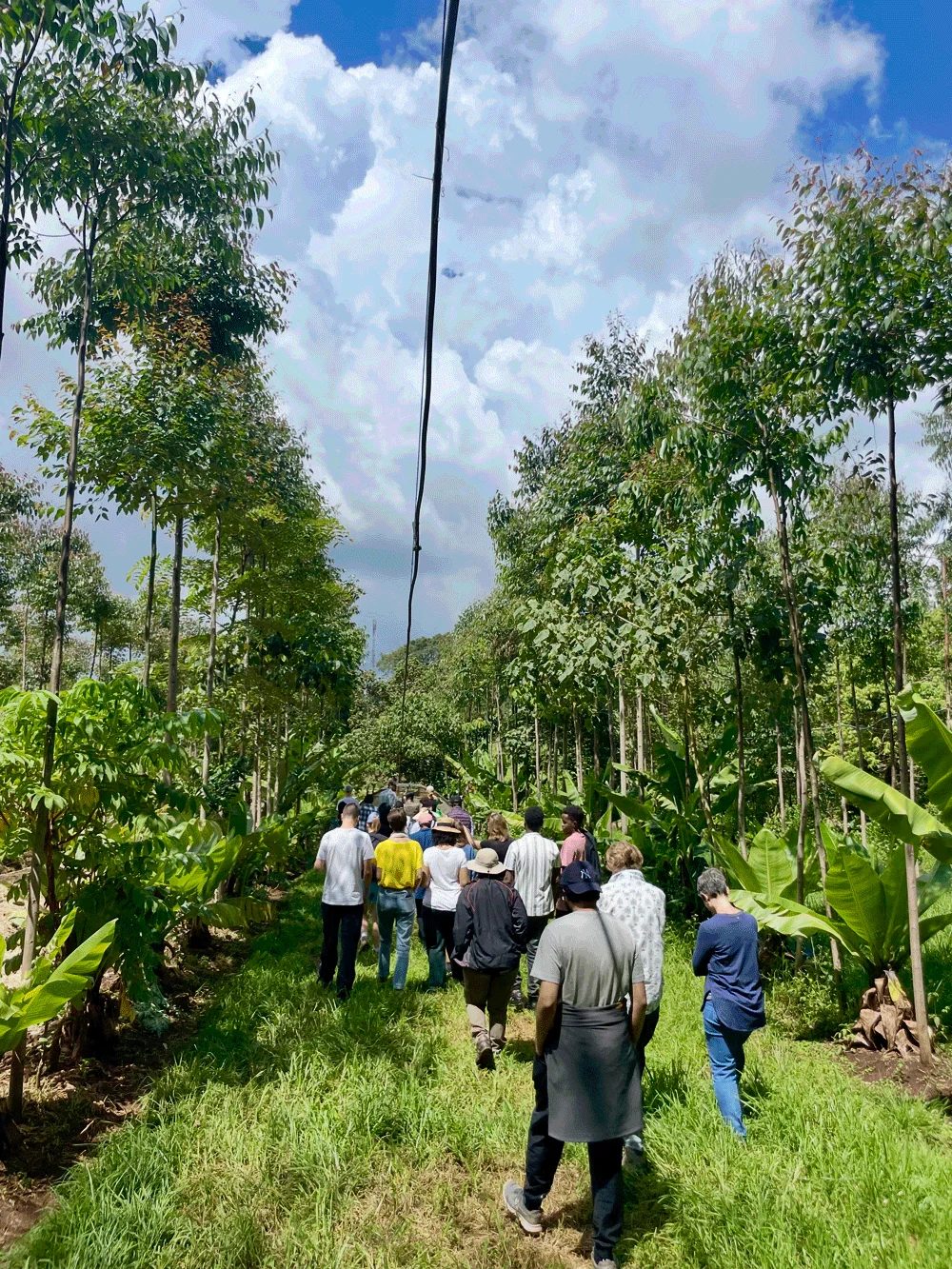
Fig 3Walking the farm, single file
THE COURSES
We run Fundamentals of Regenerative Agriculture courses and Syntropic Agroforestry Masterclasses at the Limuru farm, taught by Chief Agroforester Guilherme Sobral (a decade of Brazilian agroforestry systems), CEO Sven Verwiel, and compost-and-soils specialist Mikie Barton. Courses cost USD 450 per person (20% early-bird), including lunch, refreshments, materials and a certificate of completion; groups run from ten to twenty-five participants, ages fourteen up, confirmed by payment to sales@forestfoods.co.ke.
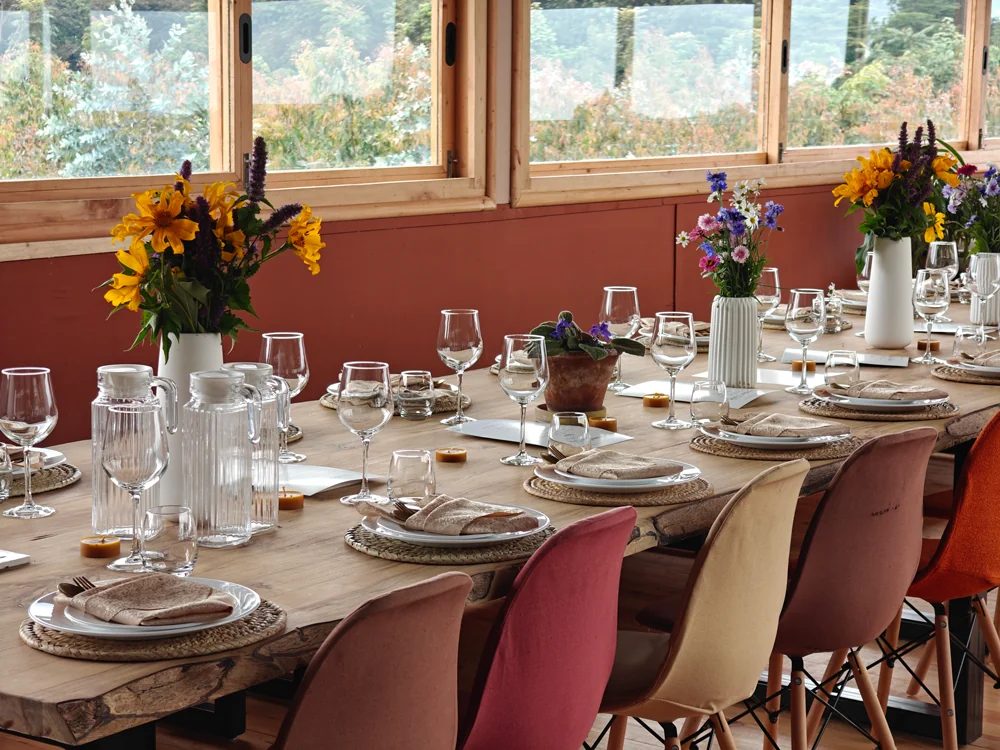
Fig 1Farm-to-table long-table lunch 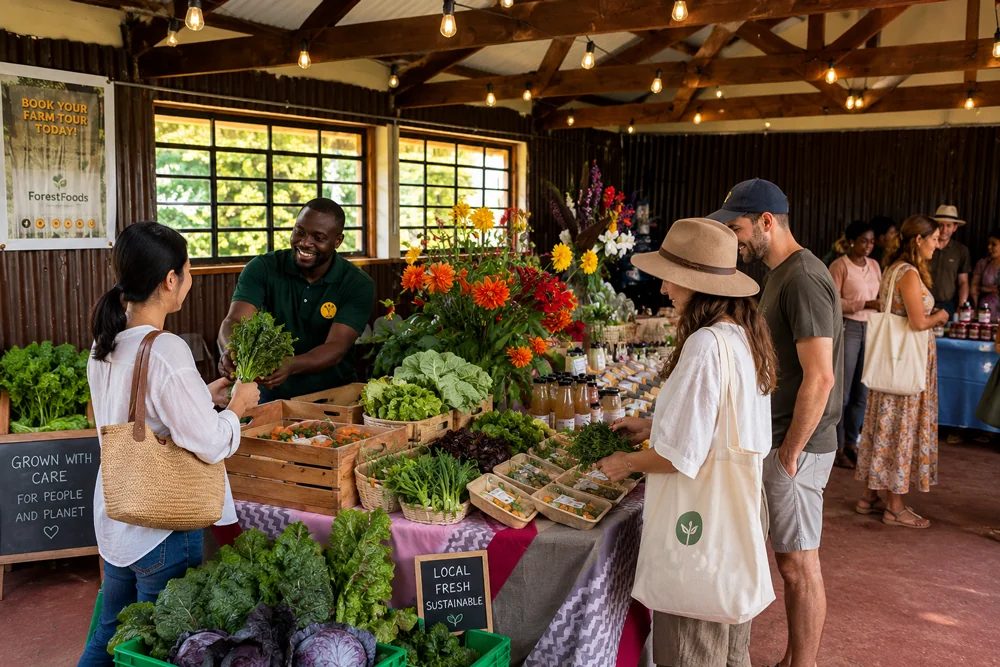
Fig 2Open Day market at the farm
THE EXPERIENCES
Beyond the classroom: farm tours run the first and last Friday of every month — commercial tours for agribusiness teams, academic tours for schools and universities, and Open Days with a farmers’ market (500 KES per adult, 50 KES per child, RSVP 48 hours ahead). Farm-to-Table Experiences add seasonal long-table lunches, wellness retreats, yoga, botanical workshops, fireside conversations, harvest experiences and chef collaborations — each shaped by the season.
THEROADAHEAD
Scaling regeneration
Regeneration only matters at scale. Our model is modular by design: repeatable segments of premium farmland, partner outgrowers like Interplant and Nyani already supplying the network, the ten-hectare Shimba Hills farm coming next, and a consultancy carrying the method across East Africa and beyond.
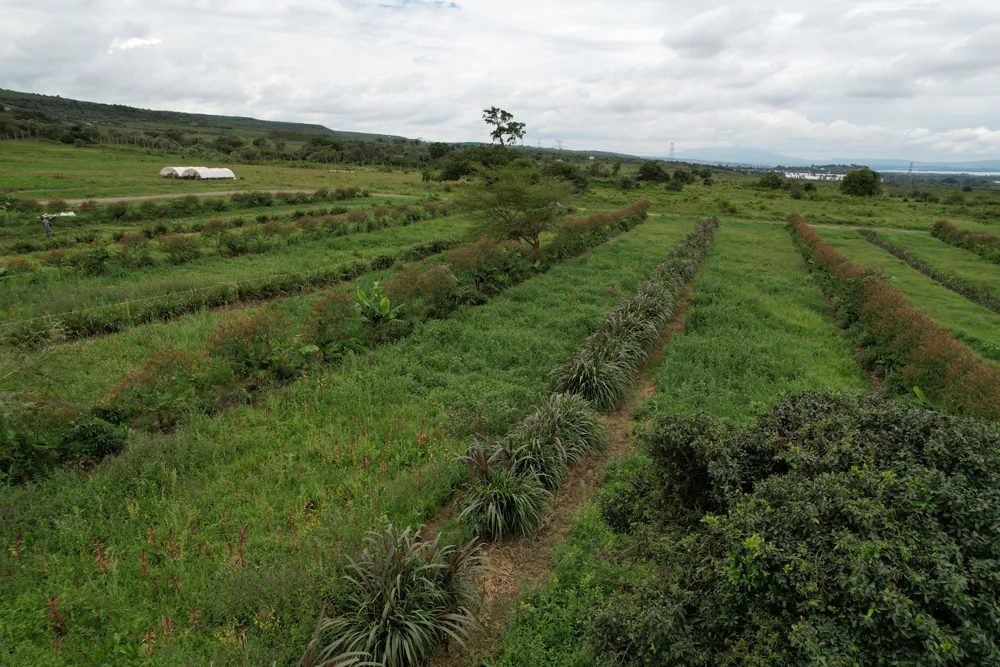
A modular farming model:
repeatable segments of premium farmland that small and medium landowners can scale to the size right for them.
We don’t simply advise — we farm.
Our consultancy has delivered regenerative projects across Kenya, Tanzania, Uganda, Rwanda and Ghana — every recommendation tested first on our own farms.
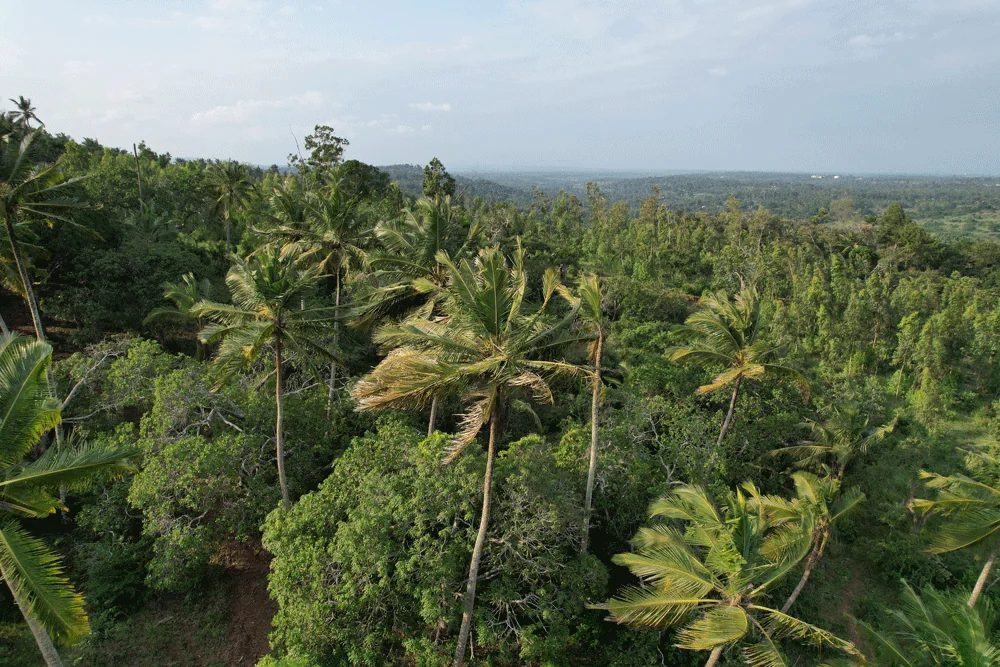
Fig 1Coastal rainforest canopy at Shimba Hills 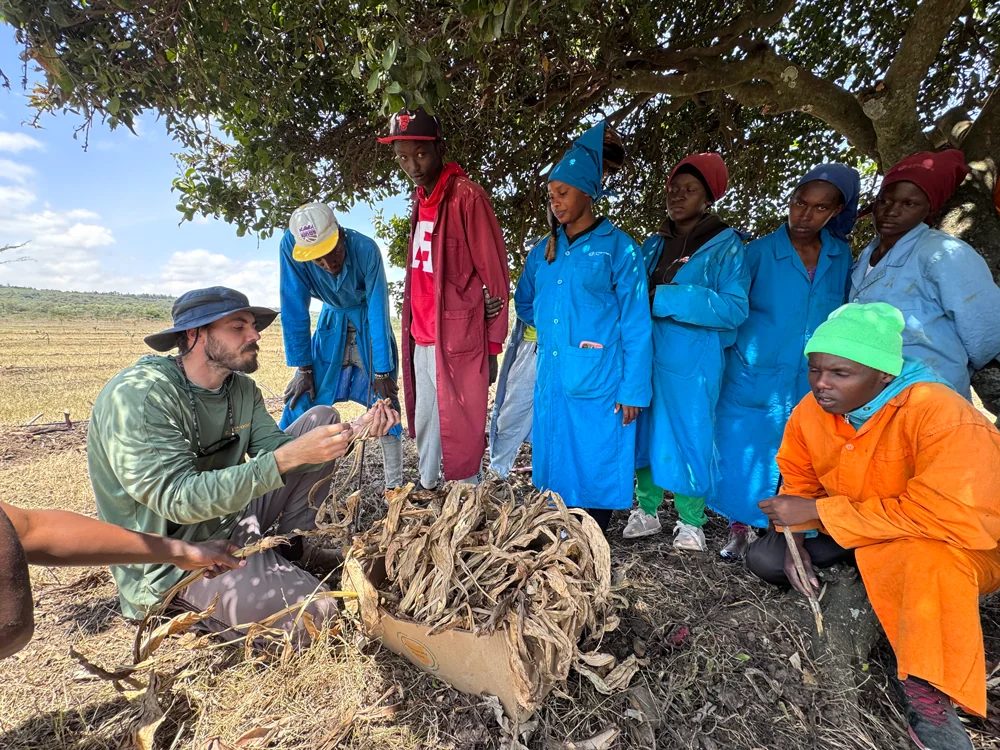
Fig 2Outgrower training in the field 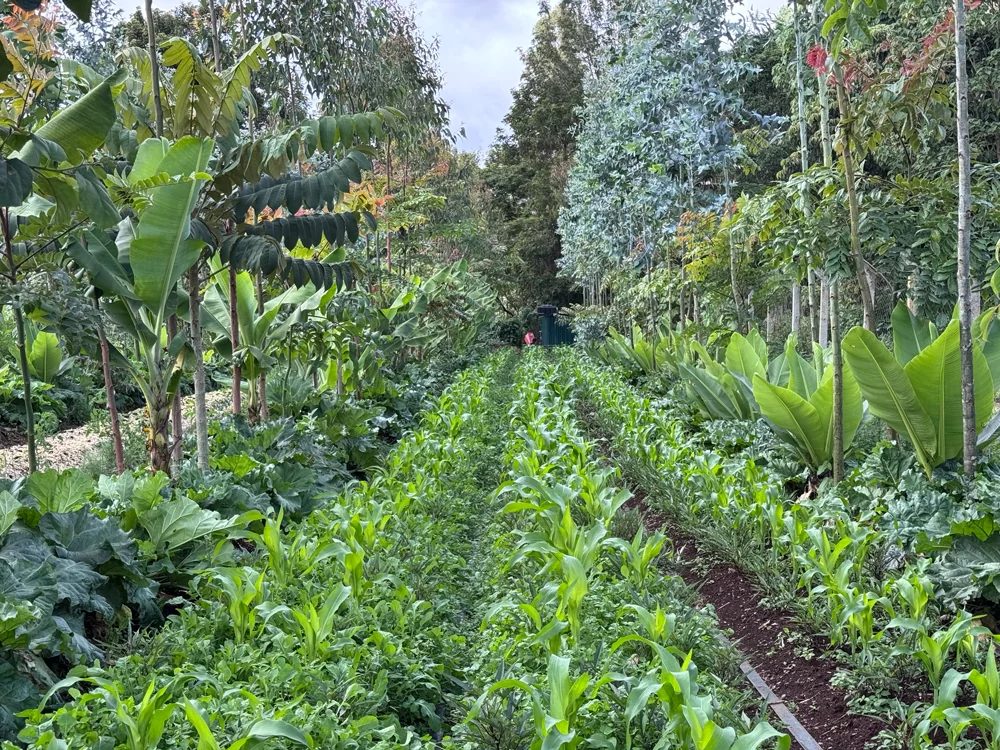
Fig 3Consultancy work in established rows
OUR GOAL
Shimba Hills will become ForestFoods’ flagship tropical production farm and one of East Africa’s most diverse commercial syntropic systems: ten hectares in Kwale County’s coastal rainforest landscape growing cacao, vanilla, black pepper, cinnamon, cardamom, tropical fruits, nuts and timber. Designed as both a commercial farm and a centre for research, education and demonstration — alongside consultancy work from the Maisha Foundation in Kisumu to EcoPlanet Bamboo in Ghana.
Ready to see the forest farm ?
From a morning tour to a full masterclass, we welcome visitors, learners and partners year-round.
VISIT PLANNING
- LOCATIONLIMURU
- ADULT ENTRY500 KES
- RSVP NOTICE48 HOURS
- COURSE FEEUSD 450