ForestFoods

Food grown the way forests grow.

Certified-organic produce from Kenya's syntropic agroforestry farms

Drone view over the Limuru farm canopy

ForestFoods.

We grow Africa’s most nutrient-dense food in living forest systems — traceable from soil to table.
Young fruit tree rising from living soil

THEPRODUCE

Vegetables, fruits, herbs and eggs — harvested at peak, delivered fresh.
Discover more
Hands packing just-harvested produce into crates

THEPRACTICE

Syntropic agroforestry rebuilds soil, restores biodiversity and grows more food per acre — the method behind everything we harvest.
Discover More
Walking a layered agroforestry row

Farming in nature’s image.

On land once barren, we plant dense, layered systems where crops, trees and livestock work as one living ecosystem.


Layered syntropic beds at ForestFoods Limuru.Layered syntropic beds at ForestFoods Limuru.
Fig 1. Layered syntropic beds at ForestFoods Limuru.
  • Raspberry cane heavy with fruit at Limuru.Raspberry cane heavy with fruit at Limuru.

    Fig 1Raspberry cane heavy with fruit at Limuru.

  • Pak choi rosette in the Upanuzi fields.Pak choi rosette in the Upanuzi fields.

    Fig 2Pak choi rosette in the Upanuzi fields.

  • French beans on the vine.French beans on the vine.
    Fig 3French beans on the vine.

Soil first. Always.

Every planting feeds the ground beneath it — compost, mulch and roots building fertility season after season.
Living soil held in two hands.Living soil held in two hands.
Fig 1. Living soil held in two hands.
  • Pollinator working a flower on the farm.Pollinator working a flower on the farm.
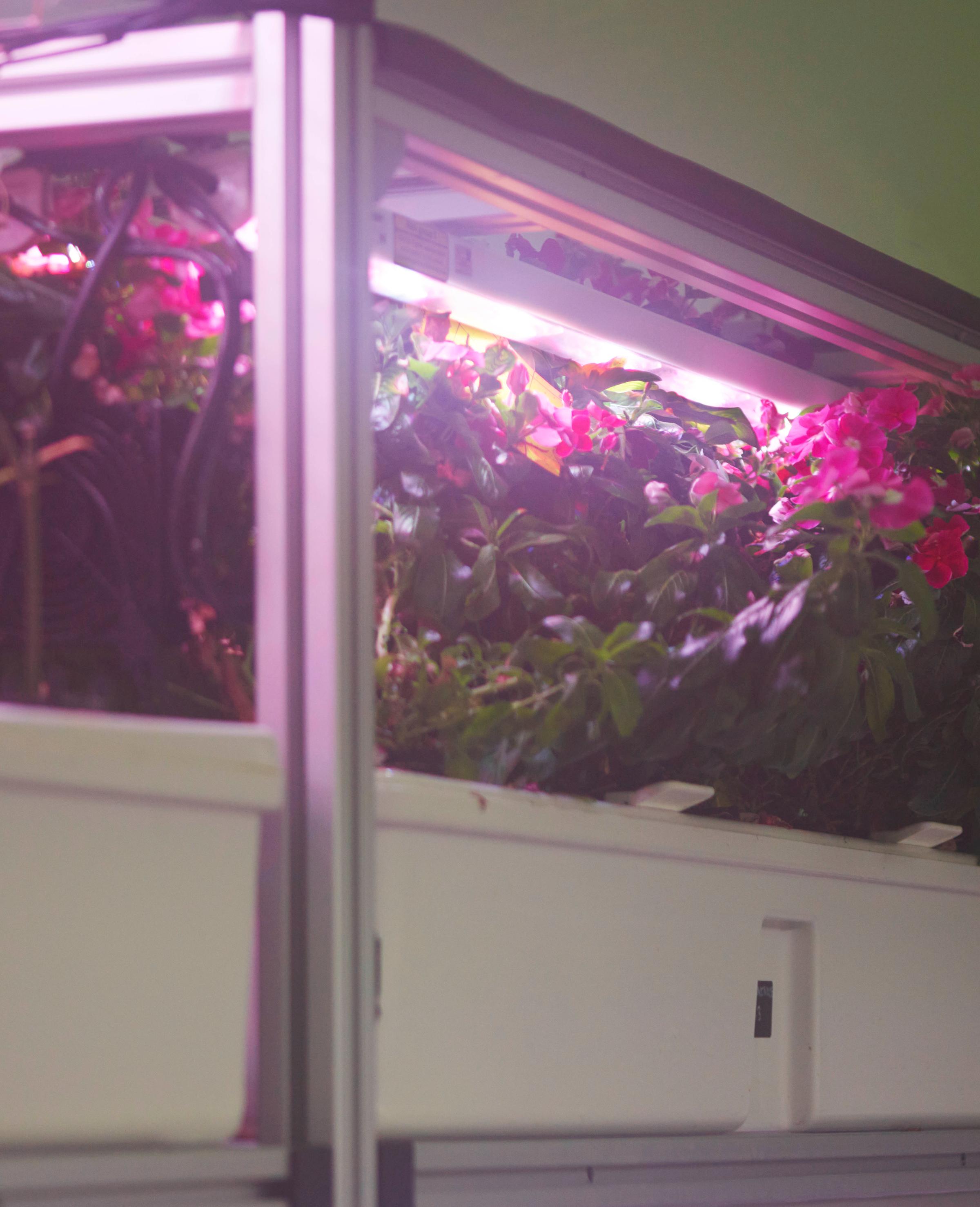
    Fig 1Pollinator working a flower on the farm.
  • Mulched beds at dawn.Mulched beds at dawn.
    Fig 2Mulched beds at dawn.
  • Farm team laying compost.Farm team laying compost.
    Fig 3Farm team laying compost.

From pitch to produce.

Our first farm was a compacted football pitch. Today it is a producing forest.

The Limuru site, before and after.The Limuru site, before and after.
Fig 1. The Limuru site, before and after.
  • Early plantings on bare ground.Early plantings on bare ground.
    Fig 1Early plantings on bare ground.
  • The same rows one year on.The same rows one year on.
    Fig 2The same rows one year on.
  • Harvest crates at the farm gate.Harvest crates at the farm gate.
    Fig 3Harvest crates at the farm gate.

ForestFoods.

We are farmers, scientists and builders regenerating Kenyan land — proving agriculture can feed people well, restore ecosystems, and reward the communities who grow with us.

Facts and figures

  • Trees managed25,000+
  • Annual harvest60 t/yr
  • People trained3,500+
Join Us

Seen with

Tatu CityRendeavourBrackenhurstGreenspoonCIFOR-ICRAFPumapa CapitalEcoPlanet BambooMaisha FoundationEA Agroecology ConferenceCA4SH Youth4SoilMuna Tree CafePartner logo
Long-table harvest lunch under the farm trees